

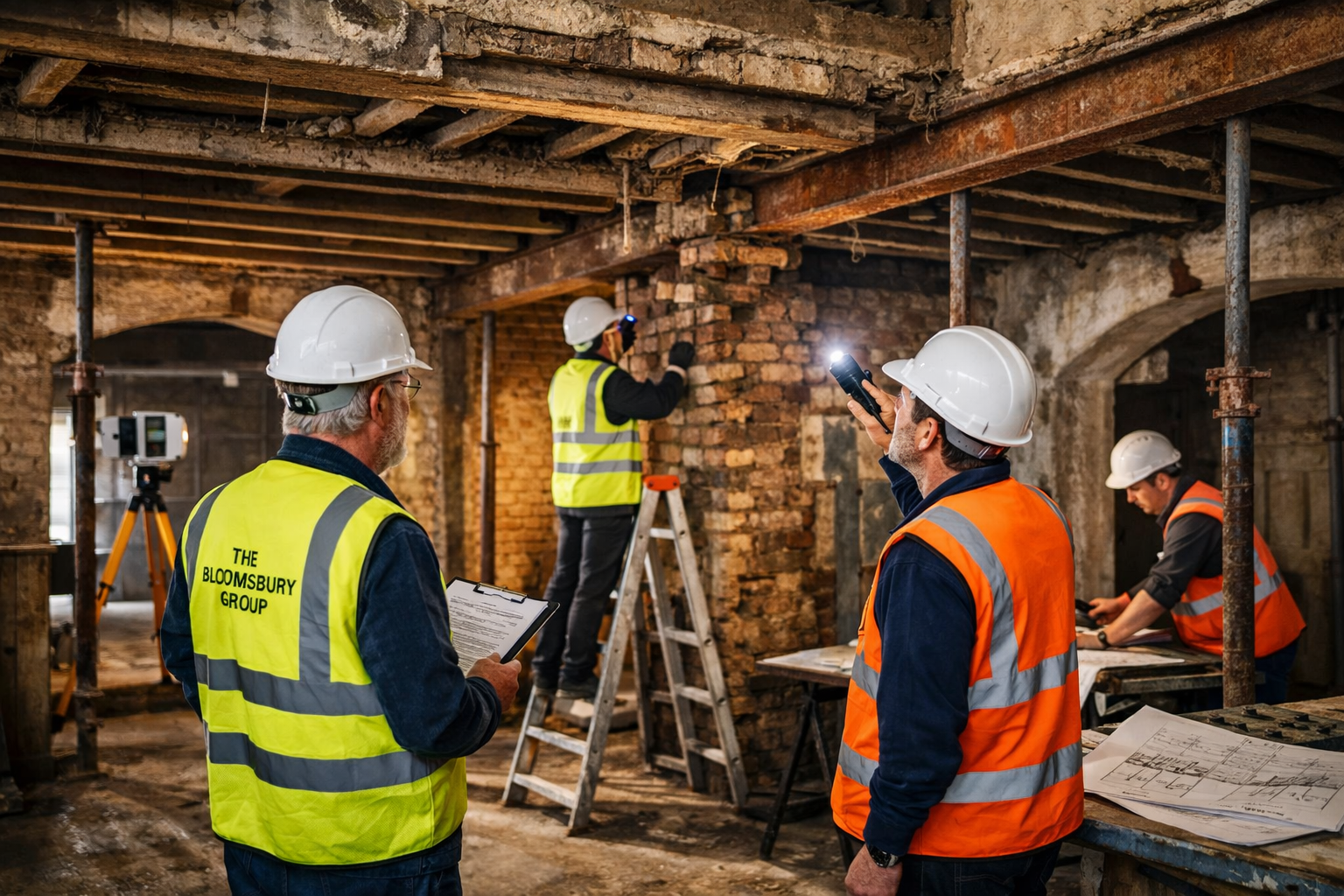
In construction, the greatest risks rarely sit in plain sight. They are often hidden behind finishes, beneath floors, or embedded within the structure of older buildings. For complex refurbishment projects, particularly within heritage or commercial environments, early construction investigation is not simply good practice. It is a critical risk management exercise that can determine whether a project succeeds or encounters costly delays.
At The Bloomsbury Group, early-stage technical investigation forms a core part of how complex projects are approached. This process allows unknown risks to be identified, costs to be controlled, and construction strategies to be developed with confidence.
Why investigation matters before construction begins
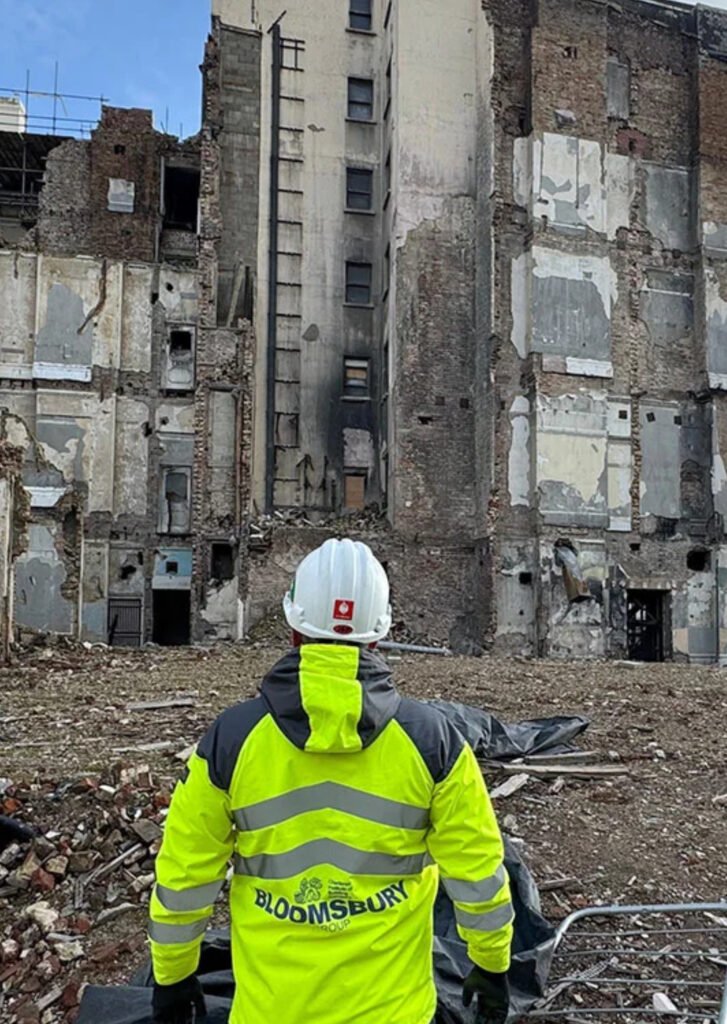
Refurbishment projects differ significantly from new build construction. While new developments begin with a blank canvas, refurbishment requires working with existing structures that may have evolved over decades or even centuries.
Even where drawings exist, buildings rarely match documentation exactly. Alterations, repairs, undocumented structural changes, and historic construction techniques can all create unknown conditions that only become visible once investigation works begin.
Typical risks identified during early investigations may include:
• Structural movement or historic settlement
• Hidden voids or redundant structural elements
• Undocumented service routes
• Water ingress or long-term deterioration
• Fire protection deficiencies
• Non-compliant alterations from previous works
Identifying these issues early allows project teams to develop realistic construction programmes and budgets rather than reacting to problems once work is underway.
The commercial value of early technical surveys
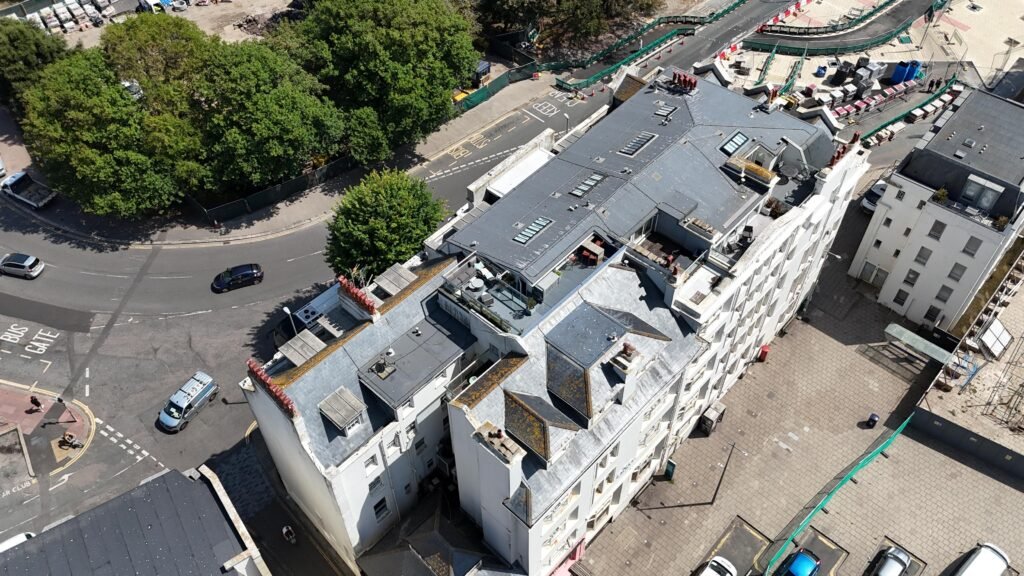
Construction investigation is sometimes viewed as a cost. In reality, it should be seen as an investment in certainty.
Unexpected structural discoveries during live construction can cause programme delays, design changes, and cost increases. By contrast, structured early investigation allows these variables to be managed proactively.
Benefits typically include:
• Improved cost certainty
• Reduced programme risk
• Better contractor coordination
• Improved safety planning
• Fewer variations during construction
• Stronger commercial control
For commercial property owners, developers, and asset managers, this structured approach provides reassurance that projects are being managed professionally from the outset.
Investigation techniques used in complex refurbishments
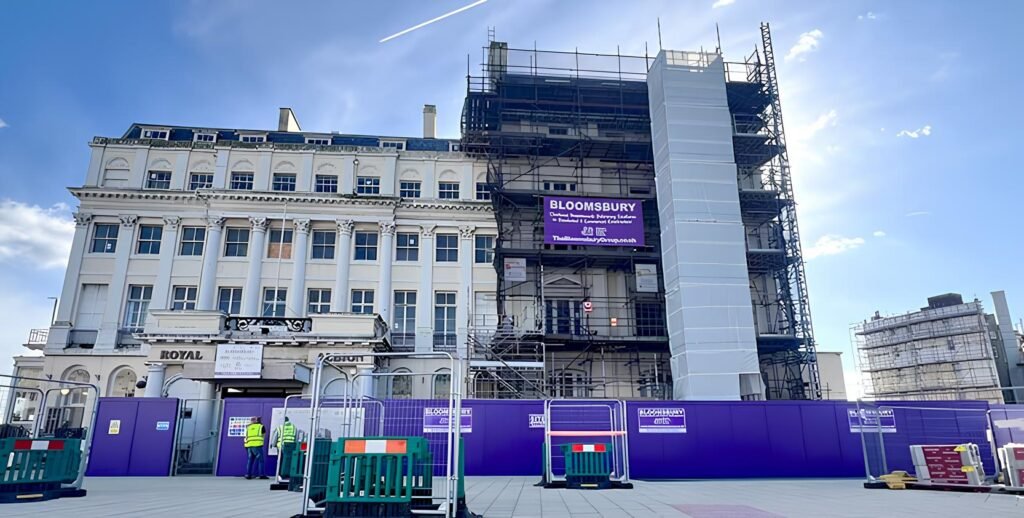
Modern construction investigation combines traditional surveying expertise with modern technical methods. The exact approach will depend on the building type, age, and complexity.
Common investigation methods include:
Opening up works
Carefully controlled opening up works allow engineers and construction professionals to physically inspect structural elements. This may include exposing beams, columns, foundations, or loadbearing walls.
These works must always be properly managed to maintain structural stability and safety.
Structural and fabric surveys
Detailed inspections help determine the condition of structural components, façade elements, and building fabric. This is particularly important in older commercial buildings and listed properties.
Services investigations
Understanding existing mechanical and electrical systems is essential. Many refurbishment delays are caused by incomplete understanding of existing service infrastructure.
Early investigation can identify:
• Redundant systems
• Capacity limitations
• Compliance issues
• Upgrade requirements
Heritage and historical research
For historic buildings, investigation often extends beyond physical inspection. Archive drawings, historic records, and previous planning submissions can provide valuable insight into how buildings evolved over time.
This combined technical and historical approach is particularly valuable when working within conservation or listed building constraints.
The role of the principal contractor in investigation planning
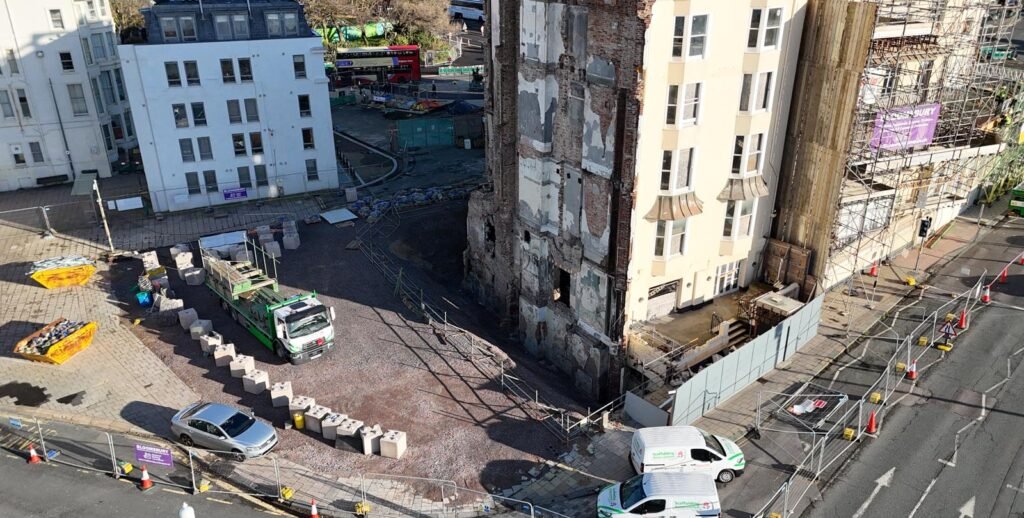
Investigation should not sit purely with designers. Experienced principal contractors play a key role in ensuring investigations are practical, properly sequenced, and aligned with construction delivery.
An experienced contractor brings practical knowledge such as:
• Buildability considerations
• Safe sequencing of opening works
• Temporary works requirements
• Access constraints
• Cost implications of discoveries
This practical construction input helps bridge the gap between design theory and on-site reality.
The Bloomsbury Group operates as both construction delivery specialist and professional construction manager, allowing investigation findings to directly inform realistic construction strategies.
Managing risk in heritage and listed buildings
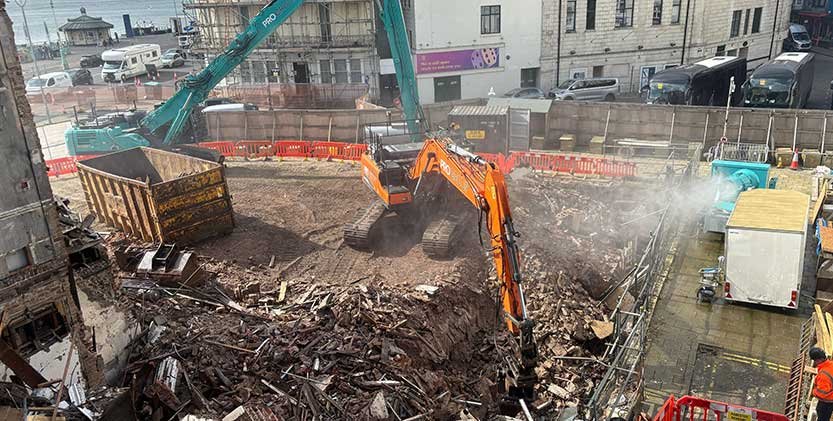
Historic buildings present additional complexity. Traditional construction techniques, ageing materials, and conservation requirements mean investigation must be approached with care.
Key considerations include:
• Protecting historic fabric
• Working within conservation requirements
• Liaising with heritage consultants
• Understanding traditional construction methods
• Maintaining structural stability during inspection
Projects involving listed buildings require not only technical capability but also experience navigating regulatory approvals and conservation obligations.
From investigation to construction strategy
The true value of investigation comes from how the information is used.
Effective construction teams translate findings into structured delivery strategies including:
• Phased construction sequencing
• Risk mitigation plans
• Cost planning adjustments
• Programme refinement
• Specialist contractor engagement
This structured approach transforms unknown risks into manageable project variables.
Professional oversight and multidisciplinary coordination
Complex refurbishment projects require coordination between multiple professionals including:
• Architects
• Structural engineers
• Quantity surveyors
• Building surveyors
• Principal designers
• Specialist subcontractors
Strong construction leadership ensures this information is coordinated into a clear delivery strategy.
Construction companies with multidisciplinary expertise across surveying, project management, and construction delivery are often best positioned to manage this coordination effectively.
A proactive approach to construction certainty
Ultimately, early investigation is about replacing uncertainty with knowledge.
Projects that invest time in understanding buildings before construction begins are typically better positioned to deliver:
• Predictable programmes
• Controlled costs
• Safer construction environments
• Higher quality outcomes
In complex refurbishment, surprises are inevitable. The difference between successful and problematic projects is usually how early those surprises are discovered.
Conclusion
Early construction investigation is one of the most valuable stages in any complex refurbishment project. It provides the technical understanding required to plan effectively, manage commercial risk, and deliver projects with confidence.
For clients undertaking commercial, hospitality, or heritage refurbishment, engaging an experienced construction partner early can significantly improve project outcomes.
By combining practical construction knowledge with professional technical expertise, projects can move from uncertainty to clarity long before the first phase of construction begins.